
PTSD can develop after experiencing or witnessing something deeply distressing. Not everyone who goes through trauma develops PTSD, and not everyone with PTSD experienced the same kind of event.
There isn’t one type of trauma that “counts”.
PTSD is often associated with flashbacks or nightmares, but it’s broader than that. It can affect how safe the world feels. How alert the body stays. How the mind reacts to reminders, even subtle ones.
Some people relive parts of what happened. Others avoid anything that reminds them of it. Many experience both. The body can stay in a state of readiness, as if danger is still present, even when it isn’t.
This can show up as jumpiness, irritability, difficulty relaxing, or feeling disconnected from others. Sleep is often affected. Concentration can be difficult. Trust can feel harder than it used to.
A common misunderstanding is that PTSD is only about memories. In reality, it’s also about how the nervous system responds long after the event has passed.
Another misconception is that time alone will always fix it. For some people, symptoms fade. For others, they don’t, especially without support.
People with PTSD often cope quietly. They may avoid talking about what happened, or downplay how much it still affects them. On the outside, they might seem fine.
Professional support is commonly involved with PTSD, particularly when symptoms interfere with daily life or relationships. That support is about helping the body and mind feel safe again, not about forcing someone to relive what happened.
Reading about PTSD can help people understand reactions they’ve never been able to explain. It doesn’t label anyone — it just describes patterns that many recognise.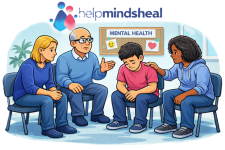
There isn’t one type of trauma that “counts”.
PTSD is often associated with flashbacks or nightmares, but it’s broader than that. It can affect how safe the world feels. How alert the body stays. How the mind reacts to reminders, even subtle ones.
Some people relive parts of what happened. Others avoid anything that reminds them of it. Many experience both. The body can stay in a state of readiness, as if danger is still present, even when it isn’t.
This can show up as jumpiness, irritability, difficulty relaxing, or feeling disconnected from others. Sleep is often affected. Concentration can be difficult. Trust can feel harder than it used to.
A common misunderstanding is that PTSD is only about memories. In reality, it’s also about how the nervous system responds long after the event has passed.
Another misconception is that time alone will always fix it. For some people, symptoms fade. For others, they don’t, especially without support.
People with PTSD often cope quietly. They may avoid talking about what happened, or downplay how much it still affects them. On the outside, they might seem fine.
Professional support is commonly involved with PTSD, particularly when symptoms interfere with daily life or relationships. That support is about helping the body and mind feel safe again, not about forcing someone to relive what happened.
Reading about PTSD can help people understand reactions they’ve never been able to explain. It doesn’t label anyone — it just describes patterns that many recognise.
